
Choosing the right material handling equipment is an important decision for warehouses, logistics centers, and industrial operations. For many years, diesel-powered machines were the standard choice. However, electric material handling equipment has rapidly become the preferred option for modern businesses.
In this guide, we compare electric vs diesel material handling equipment, explain the key differences, and help you decide which option is better for your business.
What Is Electric Material Handling Equipment?
In simple terms, electric material handling equipment refers to industrial machines powered by electric motors and rechargeable batteries instead of internal combustion engines. These machines are used to lift, move, stack, and transport materials efficiently in warehouses and industrial environments.
Common examples include electric forklifts, electric pallet jacks, electric stackers, and electric loaders. Many businesses today explore these solutions directly through the Texmover .
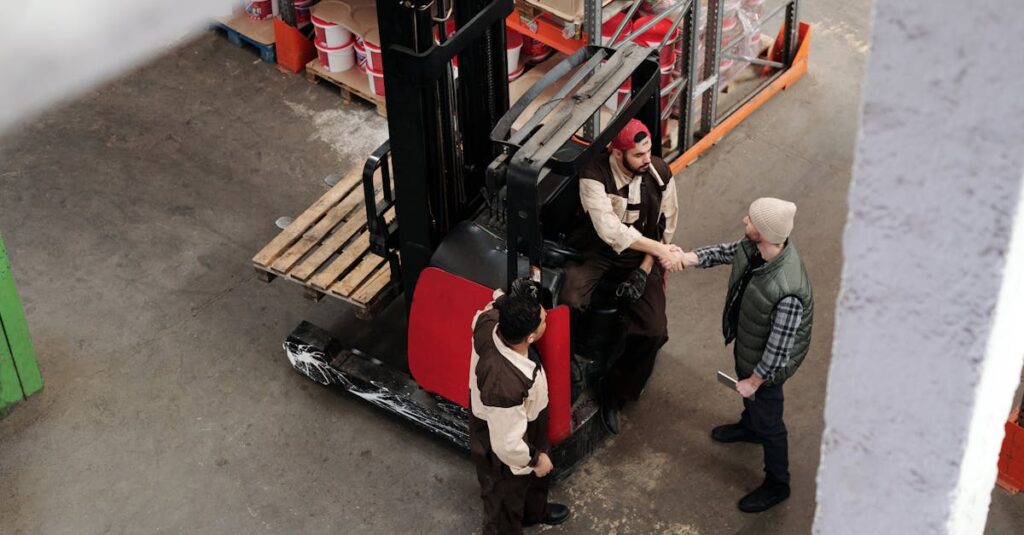
What Is Diesel Material Handling Equipment?
In simple terms, electric material handling equipment refers to industrial machines powered by electric motors and rechargeable batteries instead of internal combustion engines. These machines are designed to lift, move, stack, and transport materials efficiently in warehouses and industrial environments.
For example, common types include electric forklifts, electric pallet jacks, electric stackers, and electric loaders. Many businesses today explore these solutions directly through the Texmover .
Electric vs Diesel: Key Differences
Operating Costs
Electric material handling equipment has significantly lower daily operating costs. Electricity is generally cheaper than diesel fuel, and electric machines require fewer consumables.
Diesel equipment, on the other hand, involves ongoing fuel expenses and frequent servicing, which increases long-term ownership costs.
Maintenance Requirements
Electric machines have fewer moving parts. As a result, they experience less wear and require less maintenance over time.
Diesel equipment requires regular oil changes, filter replacements, and engine servicing, which can lead to higher downtime and maintenance expenses.
Noise and Emissions
Electric material handling equipment operates quietly and produces zero on-site emissions. Because of this, it is ideal for indoor environments such as warehouses, manufacturing facilities, and logistics centers.
In contrast, diesel machines are louder and emit exhaust fumes, making them less suitable for enclosed or indoor spaces.
Performance and Power
Modern electric equipment delivers instant torque and smooth acceleration. For most warehouse and industrial applications, electric machines provide more than enough power.
Diesel equipment still performs well in extreme outdoor conditions. However, advances in battery technology have significantly narrowed the performance gap.
Electric vs Diesel Equipment Comparison
| Feature | Electric Equipment | Diesel Equipment |
|---|---|---|
| Fuel Cost | Low | High |
| Maintenance | Minimal | Frequent |
| Noise Level | Quiet | Loud |
| Emissions | Zero | High |
| Indoor Use | Excellent | Limited |
| Long-Term Cost | Lower | Higher |
Which Option Is Better for Your Business?
Choose Electric Equipment If You:
- operate indoors or in mixed indoor/outdoor environments
- want lower operating and maintenance costs
- prefer quiet and clean machines
- need reliable equipment for daily use
Many businesses choose electric solutions available in the Texmover to improve efficiency and reduce operating expenses.
Choose Diesel Equipment If You:
- work in remote areas with no charging access
- require continuous operation without charging breaks
- operate in very harsh outdoor environments
For most modern warehouses and logistics facilities, electric equipment is now the smarter long-term investment.
Why More Businesses Are Switching to Electric Equipment
Electric material handling equipment offers predictable operating costs, reduced maintenance, and improved working conditions. In addition, stricter environmental regulations are pushing businesses toward cleaner and more sustainable solutions.
According to the U.S. Department of Energy, electric-powered equipment is generally more energy-efficient than fuel-powered alternatives.
Final Thoughts
When comparing electric vs diesel material handling equipment, electric solutions clearly offer lower costs, cleaner operation, and reduced maintenance for most businesses. While diesel equipment still has specific use cases, electric machines are becoming the preferred choice across many industries.
If you are planning to upgrade your equipment, exploring electric options can provide long-term savings and operational benefits.