
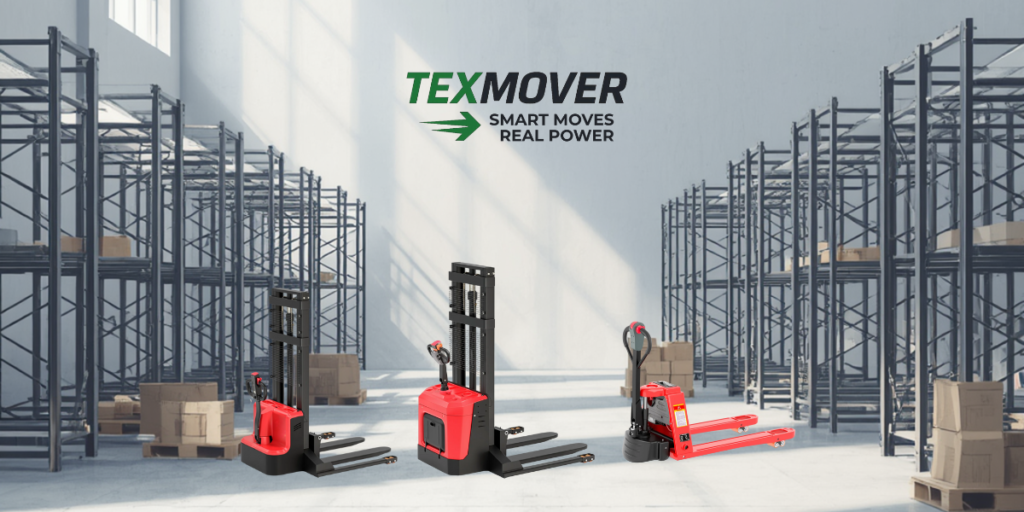
Electric material handling equipment is changing how warehouses, construction sites, farms, and industrial facilities operate. As businesses look for lower operating costs, quieter machines, and cleaner solutions, electric-powered equipment is becoming the preferred choice across many industries.
In this guide, we explain what electric material handling equipment is, how it works, and why more businesses are moving away from diesel and gas-powered machines.
What Is Electric Material Handling Equipment?
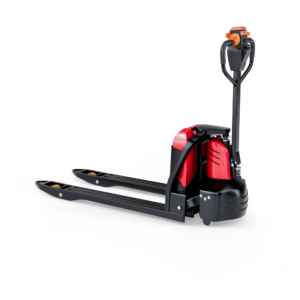
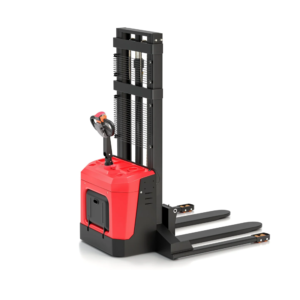
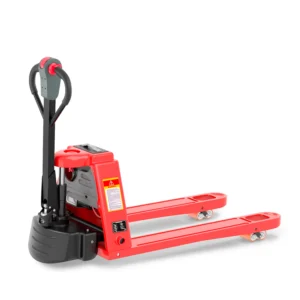
In simple terms, electric material handling equipment refers to industrial machines powered by electric motors and rechargeable batteries instead of internal combustion engines. These machines are designed to lift, move, stack, and transport materials efficiently while reducing operating costs and environmental impact.
Common types of electric material handling equipment include:
- electric forklifts
- electric pallet jacks
- electric walkie stackers
- electric wheel loaders
You can explore available electric equipment options directly in the Texmover .
How Does Electric Material Handling Equipment Work?
Electric equipment operates using high-efficiency electric motors powered by onboard batteries. Energy is stored in the battery and delivered directly to the motor through an electronic controller, providing smooth acceleration and precise control.
Compared to traditional fuel-powered machines, electric equipment offers:
- instant torque
- quieter operation
- fewer moving parts
- reduced maintenance requirements
This simplified drivetrain is one of the key reasons electric equipment is gaining popularity.
Key Benefits of Electric Material Handling Equipment
Lower Operating Costs
Electric machines eliminate fuel expenses and significantly reduce maintenance costs. There is no engine oil, fuel system, or exhaust components to service, which lowers long-term ownership costs.
Many businesses choose electric solutions available through the Texmover to reduce long-term operating expenses.
Reduced Maintenance and Downtime
Because electric equipment has fewer mechanical components, it experiences less wear and tear. This results in:
- fewer breakdowns
- longer service intervals
- improved uptime
For operations that rely on daily equipment use, this reliability is critical.
Quiet and Clean Operation
Electric equipment produces zero on-site emissions and operates with minimal noise. This makes it ideal for:
- indoor warehouses
- food and beverage facilities
- enclosed or urban job sites
Electric vs Diesel Equipment: Key Differences
| Feature | Electric Equipment | Diesel Equipment |
|---|---|---|
| Fuel Cost | Very low | High |
| Maintenance | Minimal | Frequent |
| Noise | Quiet | Loud |
| Emissions | Zero | High |
| Indoor Use | Yes | Limited |
| Long-Term Cost | Lower | Higher |
While diesel machines still have their place, electric equipment now meets the needs of most warehouse and industrial applications.
Where Electric Equipment Is Commonly Used
Electric material handling equipment is widely adopted in:
- warehouses and distribution centers
- manufacturing facilities
- logistics hubs
- farms and industrial yards
Many of these solutions can be found directly in the Texmover , where businesses can compare electric equipment options in one place.
Battery Types Used in Electric Equipment
Most electric equipment uses one of two battery types:
Lithium-Ion Batteries
- fast charging
- long service life
- no regular maintenance
Lead-Acid Batteries
- lower upfront cost
- proven technology
- requires routine maintenance
Why Businesses Are Switching to Electric Equipment
Companies are moving toward electric solutions because they offer:
- predictable operating costs
- lower total cost of ownership
- compliance with environmental regulations
- quieter and cleaner operation
According to the U.S. Department of Energy, electric-powered equipment is generally more energy-efficient and cost-effective over time compared to fuel-powered alternatives.
Final Thoughts
Electric material handling equipment represents the future of industrial operations. With lower costs, reduced maintenance, and improved efficiency, electric solutions are now the smart choice for many businesses.
If you’re exploring electric forklifts, pallet jacks, or loaders, the Texmover is a good place to see available options and compare equipment.